Application fit
Use wet location emergency lights where the product type matches the building area, egress path, and maintenance expectations.


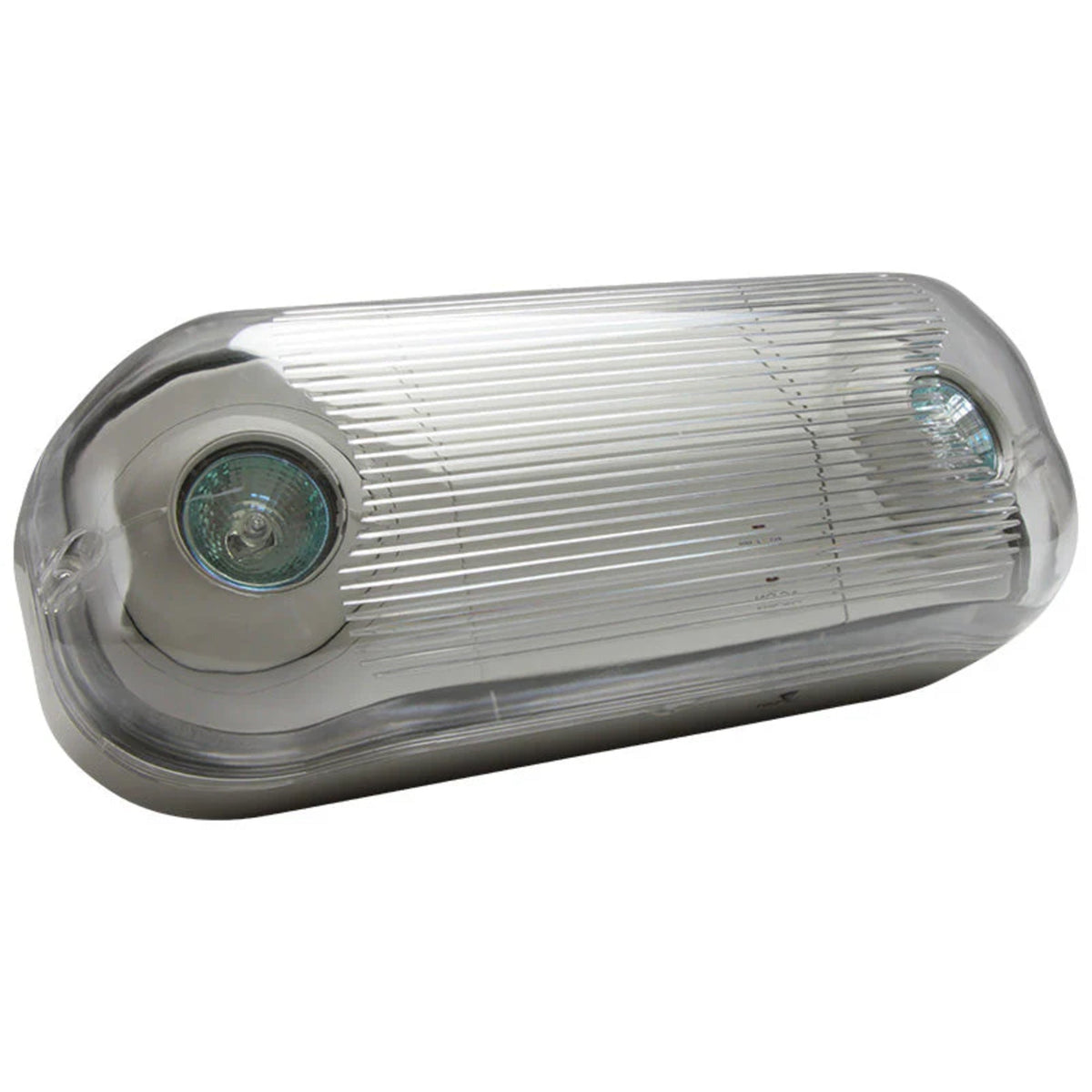
Start here when water, temperature swings, or exterior exposure are part of the job instead of a surprise later.
49 Products


Spec guide
Use these checks to confirm wet location emergency lights fit the application before choosing a model, option set, or replacement path.
Use wet location emergency lights where the product type matches the building area, egress path, and maintenance expectations.
Confirm wall, ceiling, end, recessed, surface, or specialty mounting before selecting the final model.
Check voltage, battery backup, charge/test indicators, and required emergency runtime where applicable.
Match the fixture or sign rating to indoor, damp, wet, outdoor, high-traffic, or specialty locations.
Review product listing, NFPA/OSHA intent, project documents, and local AHJ acceptance before purchase.
Final compliance depends on the selected product listing, installation, project documents, and local AHJ approval.
Quick answers
Expand the questions that match your application, fixture-selection, or compliance review.
Wet Location Emergency Lights are used where the building application, mounting condition, and egress requirement match this product family.
Confirm product listing, voltage, mounting, environment rating, runtime or visibility needs, options, accessories, and local project requirements.
They can be when the selected model is properly listed and installed. Final acceptance depends on project documents and the local AHJ.
Use the related buying paths above to compare the parent category or an adjacent product type before selecting a model.